Fall in Estes Park, Colorado: Elk, Golden Aspens & the Rut
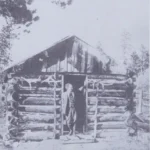
PHOTO: Enos Mills at a cabin doorway on Longs Peak. Unknown photographer; photo taken before Mills’ death in 1922.
Credit: Unknown photographer; public domain via Wikimedia Commons.
Fall in Estes Park: Golden Aspens, Mountain Air & the Sound of Elk
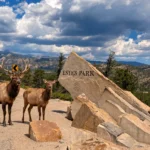
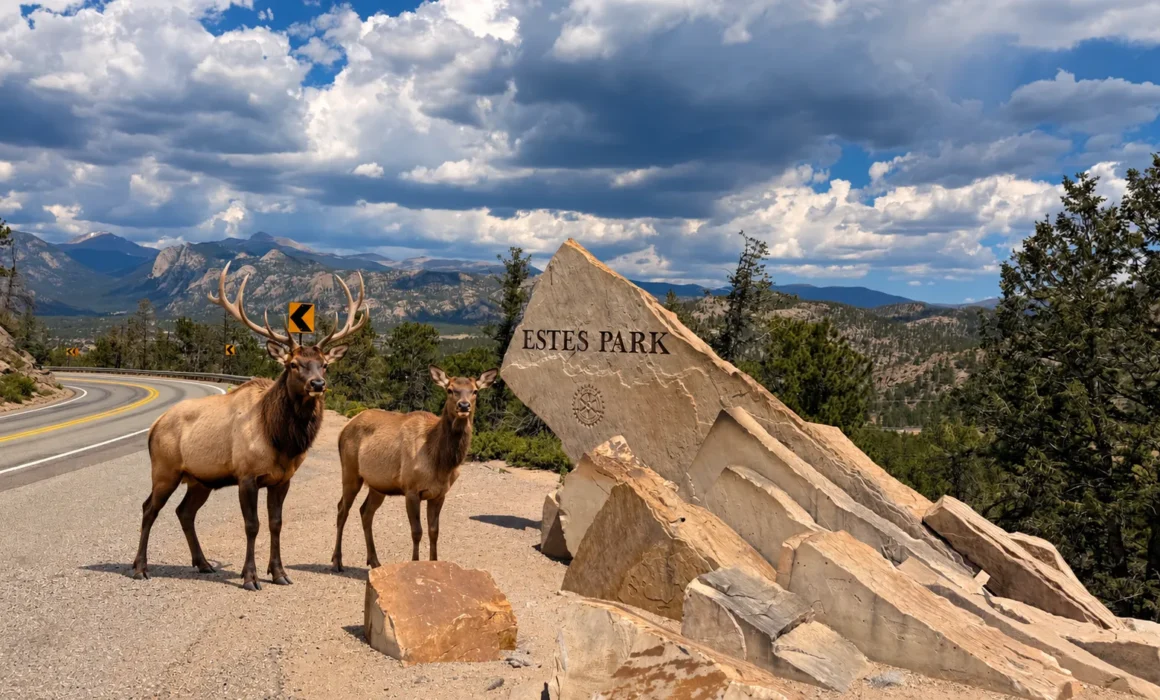
There is a short stretch of Colorado fall when Estes Park feels like the mountains have turned up the volume. Aspen leaves glow gold, the mornings carry a real chill, and somewhere across a meadow comes one of the wildest sounds in the Front Range: an elk bugle.
Estes Park is a fine place to visit in any season, but fall has a character all its own. The summer rush begins to ease, daylight gets shorter, and the high country starts showing the first signs that winter is not far behind. Around Rocky Mountain National Park and the Estes Valley, elk move into their annual breeding season—the rut—and the experience can be unforgettable.
The key is to enjoy it the right way. Elk are not scenery or photo props. They are powerful wild animals, especially during the rut. The best fall day in Estes is one where you hear the bugle, notice the gold leaves, give the elk plenty of room and head home with a good story instead of a close call.
FRED SAYS: A bugle rolling across a golden meadow is already a front-row seat. There is no reason to move your chair closer.
Why Fall in Estes Park Feels So Special
Fall brings a different rhythm to the mountains. Days can still be sunny and comfortable, but early mornings and evenings cool off quickly. At higher elevations, frost and even snow can arrive while the valley still feels like autumn. That contrast—warm sunlight on golden aspens with snowy peaks in the distance—is part of what makes an Estes Park fall trip feel so memorable.
September and October are also the months when Rocky Mountain National Park highlights its fall colors. Aspen and other deciduous plants shift from green to gold, orange, red, purple and brown as shorter days and cooler temperatures settle in. The timing and intensity change from year to year, so treat every trip as a surprise rather than a promise.
Then there is the sound. You may hear an elk bugle at dawn, near dusk or during a quiet pause in the day. It starts low, rises into a high whistle and falls away into grunts—a sound that seems almost too strange to belong to an animal that large. Once you hear it echo through a mountain valley, you understand why people come back every fall.
What the Elk Rut Is All About
The rut is elk breeding season. Each autumn, elk move down from the high country into montane meadows. Mature bulls compete for breeding opportunities by displaying their antlers, necks and bodies, giving off strong scents, gathering cows and bugling to advertise their presence and challenge rivals.
It is spectacular to witness, but it is also stressful for the animals. A bull may be focused on other elk one moment and react quickly to a person, dog or vehicle the next. Cows deserve room too—especially when calves are nearby. Watching quietly from a respectful distance lets the herd carry on naturally and gives you a far better chance of seeing real behavior.
Rocky Mountain National Park notes that elk can be seen all year, but September and October are especially popular months for viewing because of the rut. Look across open meadows and along the places where meadow meets forest. And remember: a great wildlife sighting is never guaranteed. That is part of what keeps it wild.
How to Watch Elk the Right Way
Responsible viewing is simple, and it makes the experience better for everyone.
- Give elk at least 75 feet of space. That is about the length of two buses. If an elk looks up, changes direction, stops feeding or reacts to you, back away—you are too close.
- Use your eyes, binoculars or a zoom lens. The photo is not worth causing an animal to move, become nervous or feel cornered.
- Never feed, approach, call to or chase wildlife. Feeding or harassing wildlife is illegal in national parks and can make animals dangerous to people and other animals.
- Stay on established roads and trails, and obey all posted closures. Rocky Mountain National Park uses seasonal elk-rut protections in some meadow areas to reduce disturbance.
- Keep Zero and every other dog well away from elk. Colorado Parks & Wildlife explains that elk may see dogs as predators. When dogs are allowed where you are recreating, keep them under close control and on a short leash.
- Do not stop in the roadway. If you see wildlife from the car, use a safe, legal pullout when one is available and let traffic keep moving.
That is how we keep the moment special: wildlife gets its space, other visitors get a safe view, and the elk do not have to spend precious energy dealing with us.
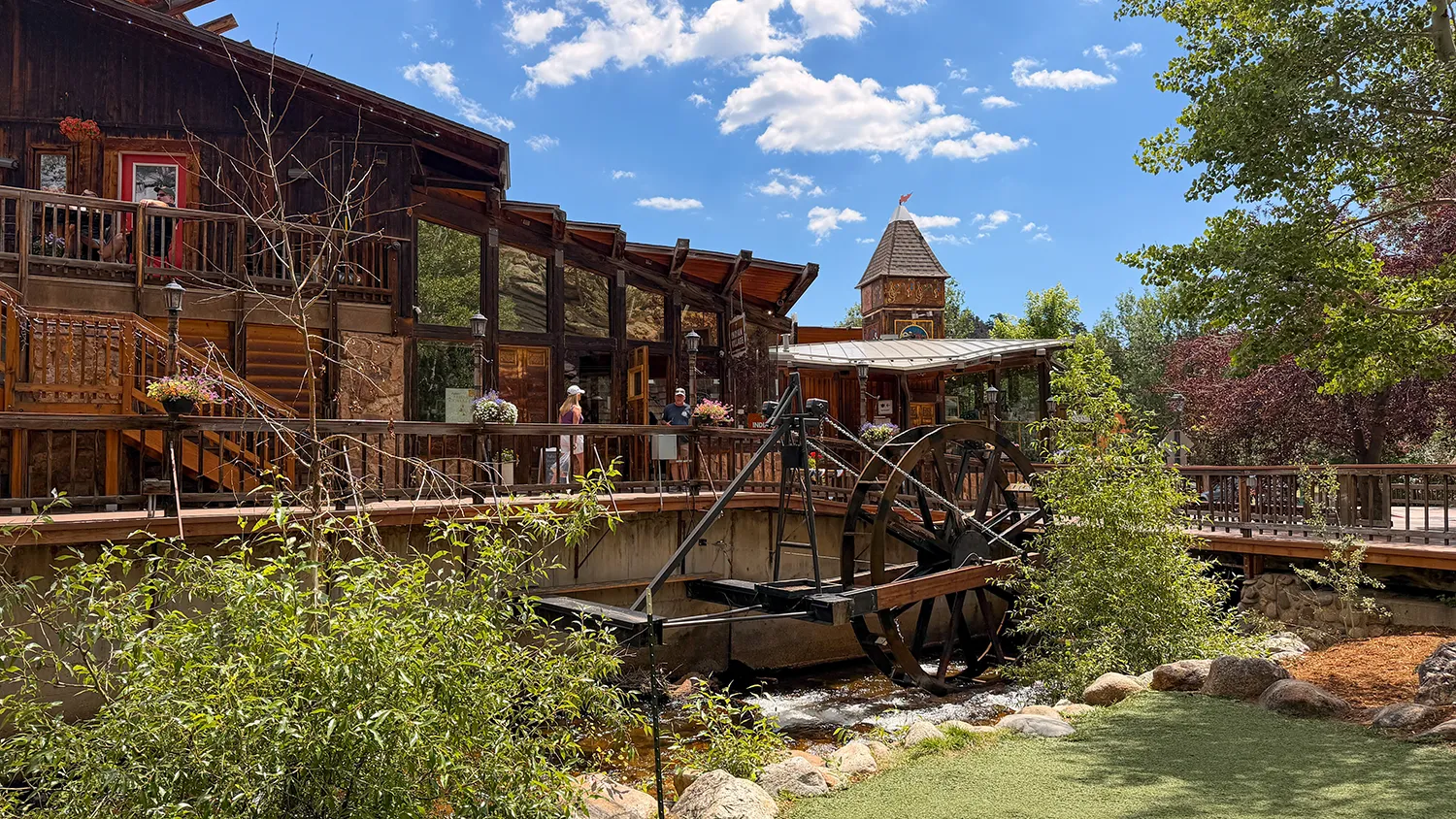
Build a Simple Fall Day Around the Experience
Start early or stay late enough to enjoy the changing light, but do not rush the day. Bring a warm layer, water, a snack, binoculars and a fully charged phone. The fall weather can turn quickly in the mountains, and conditions near the Continental Divide can be very different from what you see in town.
Give yourself time for an easy scenic drive, a stroll through Estes Park, a warm drink and a few unhurried stops to take in the color. If you are heading into Rocky Mountain National Park, check the official road status, weather, seasonal closures and timed-entry requirements before leaving. Access rules can change by season, time of day and park area, so the official park page is always the one to trust.
Do not build the whole day around getting a close-up elk photo. Build it around being present in a beautiful place. If elk show up, wonderful. If all you come home with is a pocket full of aspen leaves, a warm coffee and a new favorite mountain road, that is still a fall day well spent.
Leave Estes Better Than You Found It
Elk have been part of this landscape far longer than any of us have been stopping to watch them. The most meaningful thing we can do is let them stay elk—wild, wary and free to move through the valley without being pressured by people looking for a closer look.
So take the long lens. Take the scenic route. Take the extra layer. Then take a step back when the elk are there.
Fall in Estes Park is not just about the color in the trees. It is about hearing the mountains alive.
Fall in Estes Park & Elk FAQs
When is the best time to hear elk bugling in Estes Park?
September and October are the most popular elk-viewing months in Rocky Mountain National Park because of the fall rut. Elk bugles are often heard around dawn and dusk, but wildlife activity is never guaranteed.
How close can I get to elk?
Stay at least 75 feet away from elk and other wildlife—about the length of two buses. If the elk reacts to your presence, you are too close and should slowly increase the distance.
Where should I look for elk in the fall?
Look from a lawful, safe viewpoint toward open meadows and the edges where meadow meets forest. Stay on established roads and trails, respect any closures and never try to follow or surround a herd.
Are elk dangerous during the rut?
They can be. Elk are wild animals and bulls can be especially unpredictable during breeding season. Do not approach them, block their path, get between animals or let dogs interact with them.
Do I need a reservation for Rocky Mountain National Park in fall?
Timed-entry rules are seasonal and depend on the park area and time of day. Check the official Rocky Mountain National Park timed-entry page before your trip, along with current weather, road status and closures.
Keep explorin’—and give wildlife room.
Planning and wildlife sources: National Park Service: Plan Your Fall Trip to Rocky; National Park Service: Wildlife Viewing; National Park Service: Elk; National Park Service: Area Closures; National Park Service: Timed Entry Permit System; Colorado Parks & Wildlife: Protecting Pets from Wildlife.