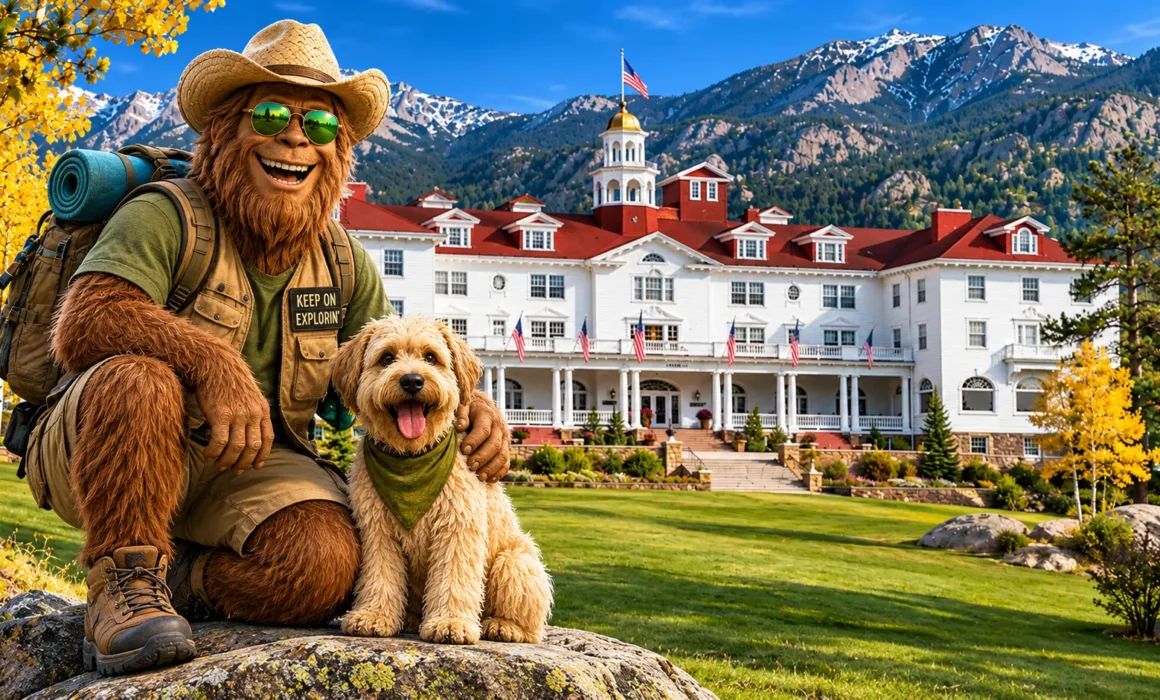
The Stanley Hotel: History, Mystery & Mountain Majesty in Estes Park, Colorado
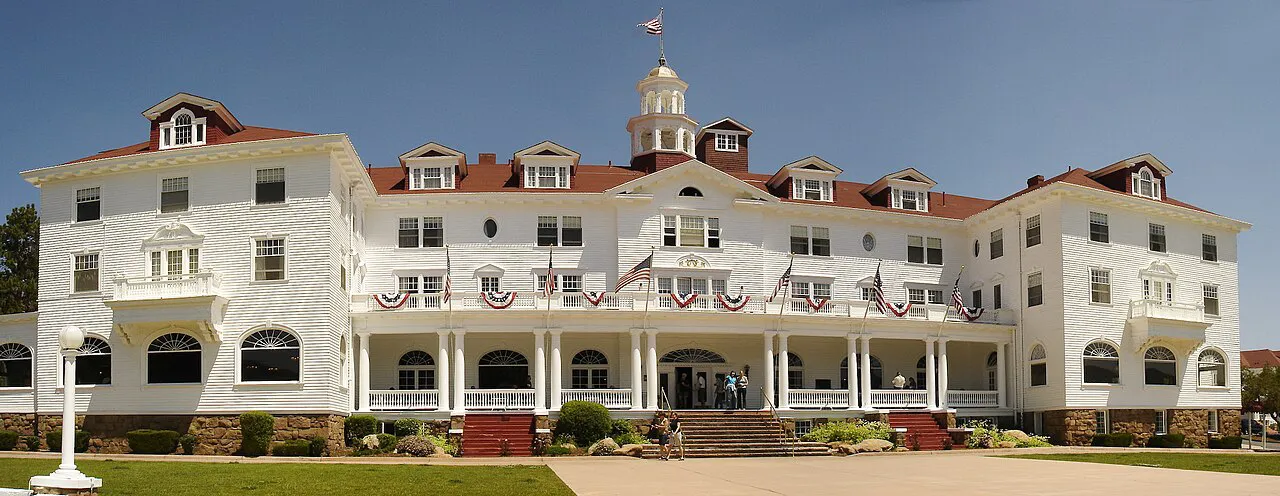
Rominator, Public domain, via Wikimedia Commons
The Stanley Hotel in Estes Park: Colorado History, Mystery, and Mountain Majesty
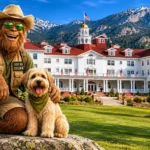
Perched on a hillside overlooking Estes Park, Colorado, the Stanley Hotel is one of the most recognizable historic landmarks in the Rocky Mountains. With its striking white exterior, distinctive red roof, elegant architecture, and sweeping mountain views, this legendary hotel has been welcoming visitors since 1909.
But behind its grand appearance lies a remarkable story of innovation, determination, Hollywood fame, and a few mysteries that continue to capture imaginations.
Built by Freelan Oscar Stanley, the inventor and entrepreneur associated with the famous Stanley Steamer automobile, the hotel helped transform Estes Park from a remote mountain community into a destination for travelers seeking luxury, fresh mountain air, and unforgettable scenery.
Today, the Stanley Hotel is known around the world for inspiring Stephen King’s novel The Shining. Yet its real history is every bit as fascinating as the fictional horror story that made it famous.
Whether you’re a Colorado history enthusiast, an architecture admirer, or someone who enjoys a good ghost story, the Stanley Hotel deserves a place on your Front Range explorin’ list.
From a Health Crisis to a Colorado Legacy
The story of the Stanley Hotel begins not with ghosts, but with a man searching for better health.
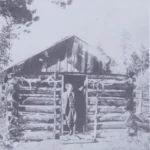
In 1903, Freelan Oscar Stanley, commonly known as F.O. Stanley, came to Colorado while suffering from tuberculosis. At the time, physicians frequently recommended Colorado’s dry mountain climate for people with respiratory illnesses.
Stanley and his wife, Flora, discovered the beauty of Estes Park, a spectacular mountain valley surrounded by towering peaks, forests, and abundant wildlife.
Stanley’s health improved during his time in the mountains, and the couple developed a lasting affection for the area.
Rather than simply returning east, Stanley recognized the valley’s potential as a destination for travelers seeking fresh air, spectacular scenery, and outdoor recreation.
He envisioned something ambitious: a luxurious mountain resort that would offer the comforts of prestigious Eastern hotels in a relatively remote Colorado setting.
That vision would eventually become the Stanley Hotel.
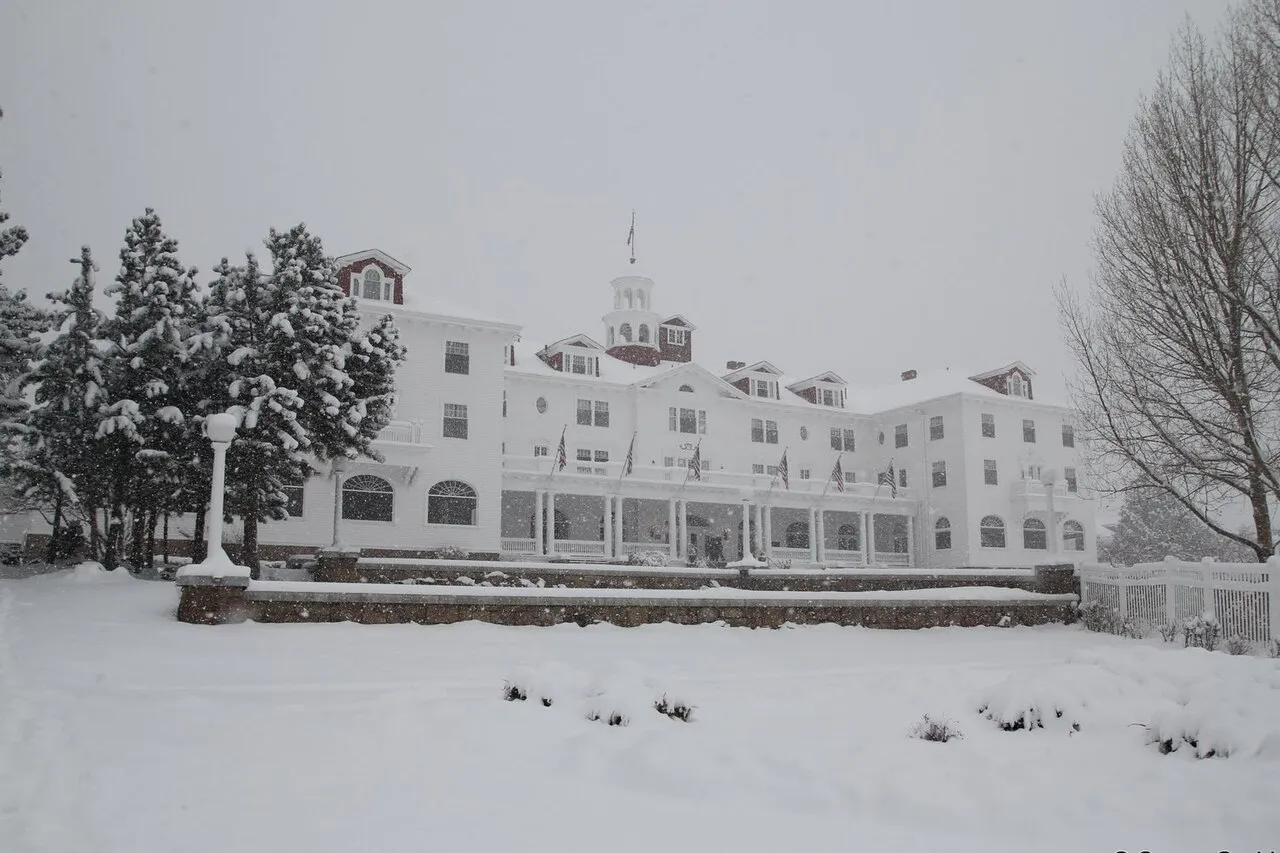
Sgerbic, CC0, via Wikimedia Commons Sgerbic, CC0, via Wikimedia Commons
A Grand Hotel Opens in 1909
On June 22, 1909, the Stanley Hotel officially opened its doors, introducing a new level of luxury to Estes Park. Designed in the Georgian Colonial Revival style, the grand white hotel stood in striking contrast to the rustic cabins and modest buildings that characterized much of the mountain community at the time. Its elegant architecture, spacious accommodations, and modern conveniences represented an extraordinary achievement for a destination that still lacked much of the infrastructure travelers take for granted today. The original hotel featured approximately 140 guest rooms, along with impressive amenities for its era. Among its most remarkable features was electricity, supported by Stanley’s investment in local hydroelectric power. Guests could enjoy refined accommodations, modern conveniences, and beautiful mountain scenery without sacrificing the comforts they expected from luxury hotels in major Eastern cities. But F.O. Stanley’s ambitions extended far beyond the hotel itself.
How F.O. Stanley Helped Shape Estes Park
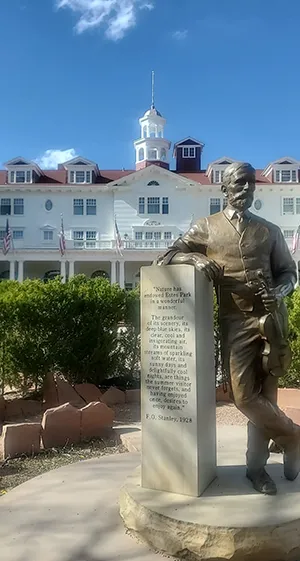
F.O. Stanley understood that building a successful mountain resort required more than beautiful accommodations. Visitors also needed dependable roads, transportation, utilities, and community services.
He became an important figure in the development of Estes Park, supporting improvements that helped turn the small mountain settlement into a thriving tourist destination.
Stanley contributed to road improvements, supported local electric and water systems, helped establish banking services, and participated in other important community projects.
His influence also extended to recreation and conservation.
Stanley was involved with the Estes Park Protective and Improvement Association, an organization that worked to improve the region and supported early efforts connected to the establishment of Rocky Mountain National Park.
When Rocky Mountain National Park was established in 1915, just six years after the Stanley Hotel opened, Estes Park was already becoming an important gateway to the mountains.
Stanley’s vision and investments helped establish the foundation for the mountain destination that millions of visitors recognize today.
The Stanley Steamer Connection: An Inventor Ahead of His Time
Long before the Stanley Hotel became famous, F.O. Stanley and his twin brother, Francis Edgar Stanley, had already established themselves as successful inventors and entrepreneurs.
The brothers first found success in photography, developing photographic dry plates before turning their attention to the rapidly emerging automobile industry.
Their Stanley Motor Carriage Company became famous for manufacturing steam-powered automobiles, popularly known as Stanley Steamers.
Unlike gasoline-powered cars, these early automobiles used steam engines to generate power. Stanley Steamers became known for their engineering, performance, and distinctive place in automotive history.
In 1903, F.O. Stanley traveled into Estes Park in a steam-powered automobile, demonstrating how motorized transportation could help open Colorado’s mountain communities to visitors.
His interest in transportation continued as he developed the Stanley Hotel, where specially designed Stanley Mountain Wagons helped carry guests from regional railroad stations to Estes Park.
The hotel itself was more than a business venture. It was an extension of Stanley’s inventive spirit and his belief that modern technology could bring new possibilities to the Rocky Mountains.
The Night That Inspired Stephen King’s The Shining
Perhaps no event in the Stanley Hotel’s history has brought it more worldwide attention than an unexpected visit from author Stephen King in 1974.
King and his wife, Tabitha, arrived at the hotel near the end of its operating season, when the grand building was nearly empty and preparing to close for winter.
The couple stayed in Room 217, a room that would eventually become one of the most famous guest rooms in American literary history.
The quiet corridors, isolated mountain setting, and eerie atmosphere left a lasting impression on King.
During the visit, King experienced a disturbing dream that helped inspire his 1977 novel, The Shining.
The story follows a struggling writer who becomes the winter caretaker of the fictional Overlook Hotel, where isolation and supernatural forces begin to unravel his family.
In 1980, director Stanley Kubrick adapted the novel into the famous horror film starring Jack Nicholson and Shelley Duvall.
Interestingly, the original movie was not filmed at the Stanley Hotel. Exterior shots of the fictional Overlook Hotel featured Oregon’s Timberline Lodge, while many interior scenes were created on studio sets in England.
However, the 1997 television adaptation of The Shining, written for television by Stephen King, was filmed at the Stanley Hotel.
Today, visitors from around the world continue to make their way to Estes Park to see the building that inspired one of the most recognizable horror stories ever written.
Is the Stanley Hotel Really Haunted? Exploring the Legends
Long before Stephen King’s famous novel introduced millions of readers to the fictional Overlook Hotel, the Stanley had begun developing a reputation for mysterious happenings.
Over the years, guests and employees have shared stories of unexplained sounds, unusual encounters, and seemingly supernatural experiences throughout the historic property.
Some of the hotel’s most frequently discussed locations include Room 217, the grand staircase, the fourth-floor corridors, and the historic concert hall.
Local legends tell of unexplained footsteps, ghostly music, strange noises, and sightings of figures believed by some visitors to be connected to the hotel’s past.
Flora Stanley, F.O. Stanley’s wife, was an accomplished pianist, and some ghost stories claim that piano music can occasionally be heard when nobody is playing.
Other stories describe mysterious activity in guest rooms and hallways, especially during the quiet nighttime hours.
Of course, reported paranormal activity is not the same as scientifically verified evidence of ghosts. These stories remain part of the hotel’s folklore rather than established historical fact.
Still, the Stanley Hotel has embraced its mysterious reputation, offering guided tours that combine fascinating history with its best-known supernatural legends.
Whether you’re a believer, a skeptic, or simply someone who enjoys a good mystery, the Stanley’s haunted reputation adds another intriguing chapter to its remarkable Colorado story.
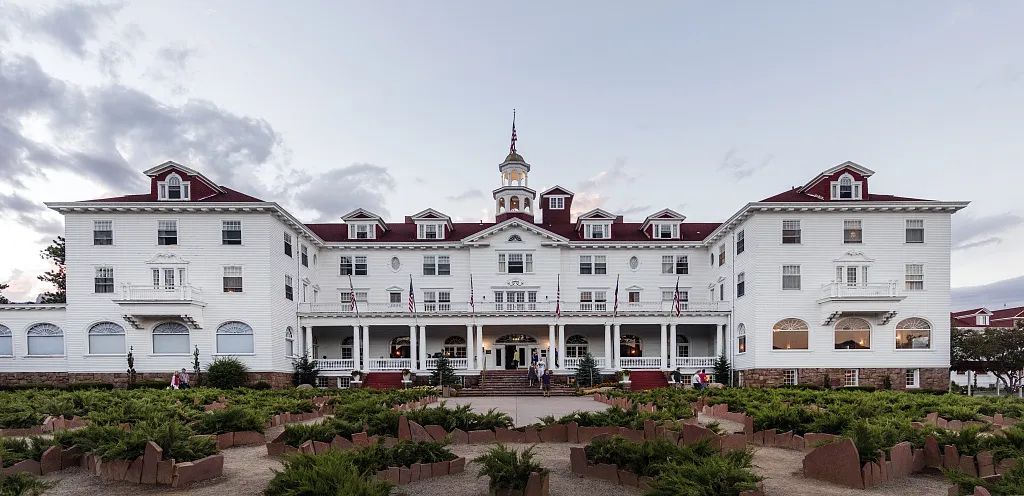
Photo Credit: Carol M. Highsmith, July 25, 2015. Library of Congress, Prints and Photographs Division. Public Domain.
More Than a Haunted Hotel: Architecture, History, and Mountain Views
Although The Shining and its ghost stories have made the Stanley Hotel internationally famous, there is much more to appreciate about this historic Colorado landmark.
The hotel’s Georgian Colonial Revival architecture, grand staircase, elegant public spaces, and distinctive white-and-red exterior offer visitors a glimpse into an earlier era of mountain hospitality.
The surrounding scenery is equally impressive.
Situated on a hillside above Estes Park, the hotel offers sweeping views of the Estes Valley and the towering peaks of the Rocky Mountains.
Its setting creates a striking contrast between carefully designed historic architecture and Colorado’s rugged mountain landscape.
Visitors can explore the property’s history through guided tours, enjoy available dining and entertainment experiences, or simply admire the hotel’s exterior and scenic surroundings where public access is permitted.
The Stanley Hotel was listed on the National Register of Historic Places in 1977, recognizing its architectural significance and important role in Colorado’s social and commercial history.
For travelers who appreciate historic places, the Stanley is much more than a famous movie connection. It is a surviving piece of the remarkable story of how Estes Park became one of Colorado’s best-known mountain destinations.
Planning Your Visit to the Stanley Hotel in Estes Park
You don’t have to book an overnight stay to appreciate the history and beauty of the Stanley Hotel.
Located at 333 East Wonderview Avenue in Estes Park, Colorado, the hotel is a convenient stop when exploring the town or visiting nearby Rocky Mountain National Park.
Depending on current schedules and availability, visitors can participate in historical tours, ghost tours, and other experiences highlighting the property’s fascinating past.
For photography enthusiasts, the hotel’s white exterior and red roof create a beautiful subject against the mountain backdrop, especially during the golden light of early morning or late afternoon.
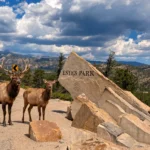
Fall is another particularly scenic time to visit Estes Park, when changing aspen leaves bring brilliant color to the surrounding mountains and elk activity attracts wildlife enthusiasts to the valley.
History lovers may also want to visit the nearby Stanley Home Museum, which explores the lives of F.O. and Flora Stanley and their contributions to the community.
Before visiting, check the hotel’s official website for current tour reservations, parking policies, public access, dining hours, and any special events or construction-related changes.
Official Stanley Hotel Website: www.stanleyhotel.com
Stanley Hotel Tours: View Current Tours and Experiences
Stanley Home Museum: Explore the Stanley Family’s History
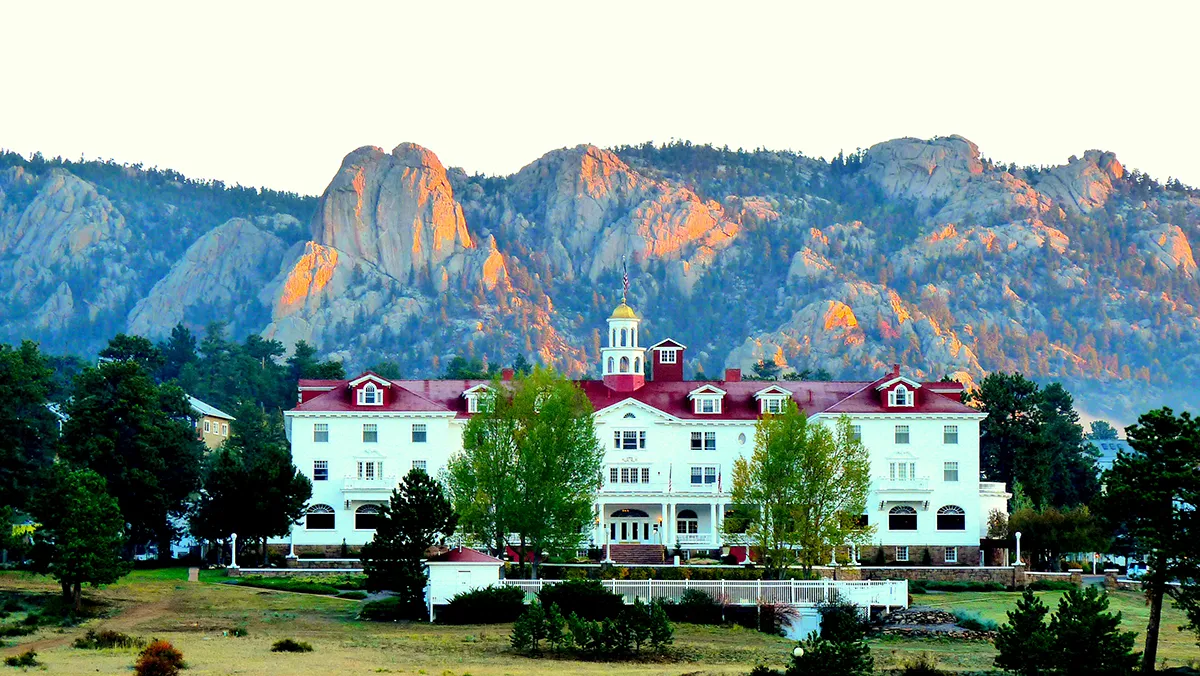
1progressivedem1, CC BY-SA 4.0, via Wikimedia Commons
Stanley Hotel History FAQs
When was the Stanley Hotel built?
The Stanley Hotel officially opened on June 22, 1909, as a luxury mountain resort overlooking Estes Park, Colorado.
Who built the Stanley Hotel?
Freelan Oscar Stanley, an inventor and entrepreneur famous for the Stanley Steamer automobile, developed the hotel with the goal of bringing luxury accommodations to the Rocky Mountains.
Why did F.O. Stanley come to Estes Park?
Stanley first came to Colorado while suffering from tuberculosis. After spending time in the Estes Valley, his health improved, and he developed a lasting connection to the area.
What architectural style is the Stanley Hotel?
The hotel was designed in the Georgian Colonial Revival style, with its distinctive white exterior, red roof, symmetrical architecture, and elegant interior features.
Did Stephen King stay at the Stanley Hotel?
Yes. Stephen King and his wife, Tabitha, stayed in Room 217 in 1974. Their visit helped inspire King’s famous 1977 novel, The Shining.
Was The Shining filmed at the Stanley Hotel?
The 1980 Stanley Kubrick film was not filmed at the Stanley Hotel. However, the 1997 television adaptation of The Shining was filmed at the historic Estes Park property.
Is the Stanley Hotel really haunted?
The hotel is famous for reported paranormal experiences and ghost stories. However, there is no scientifically established evidence confirming that the building is haunted.
Can you visit the Stanley Hotel without staying overnight?
Yes. Visitors can enjoy selected public areas and book tours or other experiences, subject to current hotel policies and availability.
Is the Stanley Hotel on the National Register of Historic Places?
Yes. The Stanley Hotel was listed on the National Register of Historic Places in 1977 for its historical and architectural significance.
Where is the Stanley Hotel located?
The Stanley Hotel is located at 333 East Wonderview Avenue in Estes Park, Colorado, near Rocky Mountain National Park.
Keep on Explorin’! Discovering the Stories Behind Colorado’s Landmarks
Some Colorado landmarks are remembered for their architecture. Others are remembered for the people who built them or the fascinating stories that unfolded inside their walls.
The Stanley Hotel is remembered for all three.
From F.O. Stanley’s extraordinary vision to the hotel’s famous connection with Stephen King’s The Shining, this remarkable property continues to connect visitors with Colorado’s past.
And while its ghost stories may attract curious travelers from around the world, the real history, spectacular mountain setting, and enduring legacy make the Stanley Hotel a destination worth exploring.
The next time your travels take you to Estes Park, look up toward the hillside and that unmistakable red roof.
More than a century of Colorado history is waiting.
Keep on Explorin’!